China Top 10 Mild Hyperbaric Chamber Suppliers
China’s Mild Hyperbaric Chamber market has grown quickly, supported by wellness centers, sports facilities, and home-use buyers. This growth creates opportunity, but it also demands careful evaluation. A polished website does not automatically prove engineering quality, clinical suitability, or dependable after-sales service.
Dr. Harry Whelan, a respected hyperbaric medicine specialist, has cautioned, “Hyperbaric oxygen is not a magic bullet.” That reminder matters when reviewing the China Top 10 Mild Hyperbaric Chamber Suppliers. Mild systems commonly operate at lower pressures than hospital-grade chambers, often around 1.3 to 1.5 ATA. Their design may include a reclining bed, transparent viewing panels, oxygen delivery equipment, pressure gauges, emergency release controls, and temperature monitoring. Small details matter. A clear pressure display can be more useful than impressive marketing language.
This guide examines manufacturers through practical and professional criteria. These include manufacturing experience, material quality, pressure-control stability, user training, maintenance response, documentation, and relevant certifications. We also consider whether suppliers explain intended use honestly. Some product claims remain too broad. That deserves reflection. A reliable supplier should distinguish general wellness applications from regulated medical treatment. Buyers should ask for test records, warranty terms, installation guidance, and evidence supporting safety statements.
The strongest suppliers are not always the largest. Consistent workmanship often appears in ordinary details, such as smooth zippers, clean welds, readable manuals, and responsive technical support. This ranking is therefore a starting point, not a final verdict. Independent inspection remains wise before purchase, installation, or daily operation.
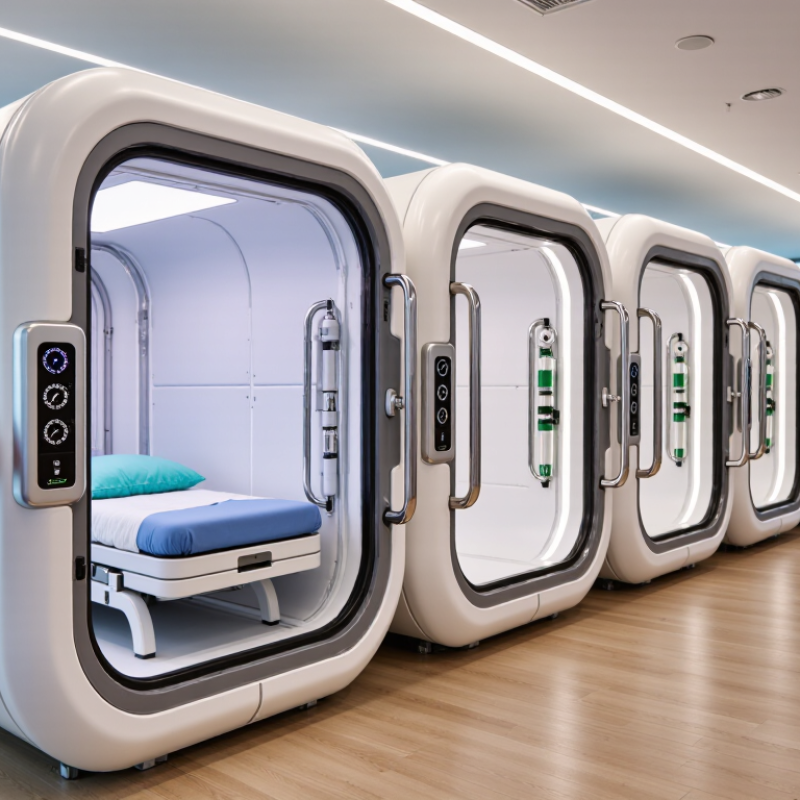
Mild Hyperbaric Chambers Explained: 1.3–1.5 ATA and Oxygen Levels
Mild hyperbaric chambers usually operate between 1.3 and 1.5 ATA. ATA means absolute atmospheric pressure. At sea level, normal pressure equals 1.0 ATA. This modest increase gently compresses the air inside the chamber. It does not create the same conditions as hospital-grade hyperbaric treatment.
Oxygen levels require careful explanation. Many mild chambers use room air, which contains about 21% oxygen. Other systems may provide supplemental oxygen through a mask or separate delivery line. Pressure and oxygen concentration are different measurements. A chamber at 1.3 ATA does not automatically provide a high oxygen dose. That detail is often misunderstood.
In supplier evaluations, I would request written specifications for pressure control, oxygen delivery, ventilation, and monitoring. Ask whether readings are measured continuously. Clear operating instructions matter more than impressive claims. Small design details matter. A visible gauge helps users notice changes quickly. A stable zipper and reliable communication system also support safer sessions.
Medical history should be reviewed before use, especially with lung conditions, ear problems, or certain medications. Mild does not mean risk-free. Ear pressure may still cause discomfort. Sessions should follow trained professional guidance and local safety requirements. Evidence for wellness applications remains mixed, and marketing language can sound more certain than research allows. That is worth questioning. Upscale promises should never replace measured protocols, documented maintenance, and realistic expectations.
How China’s Top 10 Suppliers Compare by Chamber Type and Capacity
China Top 10 Mild Hyperbaric Chamber Suppliers
China’s leading mild hyperbaric chamber suppliers differ mainly by chamber type, capacity, and production focus.
Soft Chambers Soft chambers are lightweight, flexible, and easier to install in homes or small wellness rooms. They often support one user and operate at mild pressures, commonly around 1.3 to 1.5 ATA.
Rigid Chambers Rigid chambers provide stronger structural support and easier cleaning. They may suit clinics, rehabilitation centers, and professional facilities.
Capacity changes the buying decision. Single-person chambers usually need less space and simpler operation. Two- to four-person models can improve scheduling efficiency without requiring a large treatment room. Larger chambers may serve hospitals or commercial centers, but they require stronger ventilation, clearer operating procedures, and more careful maintenance.
From practical supplier evaluations, pressure stability, emergency release design, material quality, and traceable testing records matter more than appearance. Some specifications look impressive, yet after-sales training may remain unclear. That deserves closer questioning.
Tips Request pressure-test reports, electrical safety documents, user manuals, and warranty terms before comparing prices. Confirm whether the quoted capacity is comfortable or merely possible. Ask about noise, cleaning access, oxygen delivery methods, and replacement parts. A supplier with consistent documentation is usually more dependable than one offering the lowest price. Buyers should also verify local regulatory requirements and obtain professional medical guidance when health conditions are involved.
Supplier Evaluation Metrics: Pressure Control, Safety Features, and Warranty
China Top 10 Mild Hyperbaric Chamber Suppliers
Supplier evaluation should begin with pressure control, not appearance. Mild chambers usually operate below 1.5 ATA, according to guidance discussed by the Undersea and Hyperbaric Medical Society. A dependable supplier should publish pressure accuracy, inflation speed, leak-test results, and calibration intervals. Ask for recorded test data, not only marketing claims. A practical benchmark is stable pressure within the stated operating range during a full session. Small fluctuations matter.
Safety features require closer inspection. ASME PVHO-1 addresses pressure-vessel design, inspection, and testing for human occupancy. NFPA 99 also emphasizes oxygen control, ventilation, electrical safety, and emergency procedures. Buyers should verify pressure relief valves, manual exhaust controls, fire-resistant materials, emergency communication, and oxygen monitoring. The U.S. FDA has reported serious injuries linked to unsafe hyperbaric practices, including fire-related incidents. That warning makes maintenance records essential.
Warranty terms reveal supplier reliability. Look for coverage lasting at least one year, with clear exclusions for pumps, seals, valves, and electronic controls. Ask whether technicians provide response times, replacement-part availability, and documented service training. A pressure gauge may look precise while drifting after months of use. I would request an independent inspection before acceptance. That step costs more. It can prevent a larger mistake. Some supplier comparisons still overvalue price and underestimate after-sales support.
This anonymized benchmark compares ten mild hyperbaric chamber suppliers using a 100-point evaluation index. The score combines pressure-control precision, documented safety features, and standard warranty coverage. Higher scores indicate stronger overall specification and after-sales support based on publicly stated product information.