
You have no items in your shopping cart.

How to Choose the Best Make Up Pouches for Global Buyers
Choosing the right Make Up Pouches is not simply a matter of color, shape, or price. Global buyers must evaluate function, materials, production consistency, and supplier reliability before placing an order. A pouch may look attractive in product photos, yet feel weak when filled with bottles, brushes, and compact cases. Practical sourcing experience shows that small details often decide customer satisfaction. Zipper movement, lining quality, stitching density, handle strength, and internal compartments deserve close attention.
This guide explains how buyers can compare Make Up Pouches for different markets and customer needs. It considers waterproof fabrics, recycled materials, transparent panels, printed logos, and flexible order quantities. Dimensions should match real products, not only factory samples. A pouch designed for travel may need a wide opening, strong seams, and easy-clean surfaces. Retail packaging may require neat folding, accurate colors, and dependable inspection records. Suppliers should also communicate clearly about sampling, lead times, quality checks, and responsible material claims. Evidence matters more than attractive promises.
No pouch is perfect. A softer fabric may improve appearance but reduce structure. A lower price may create problems later. Buyers should test samples under realistic conditions, including repeated opening, light moisture, and daily handling. Independent checks can expose weak zippers or uneven stitching before mass production. Market preferences also differ across regions, so one successful design may not suit every buyer. Careful comparison, documented specifications, and honest supplier communication create a more reliable purchasing decision.
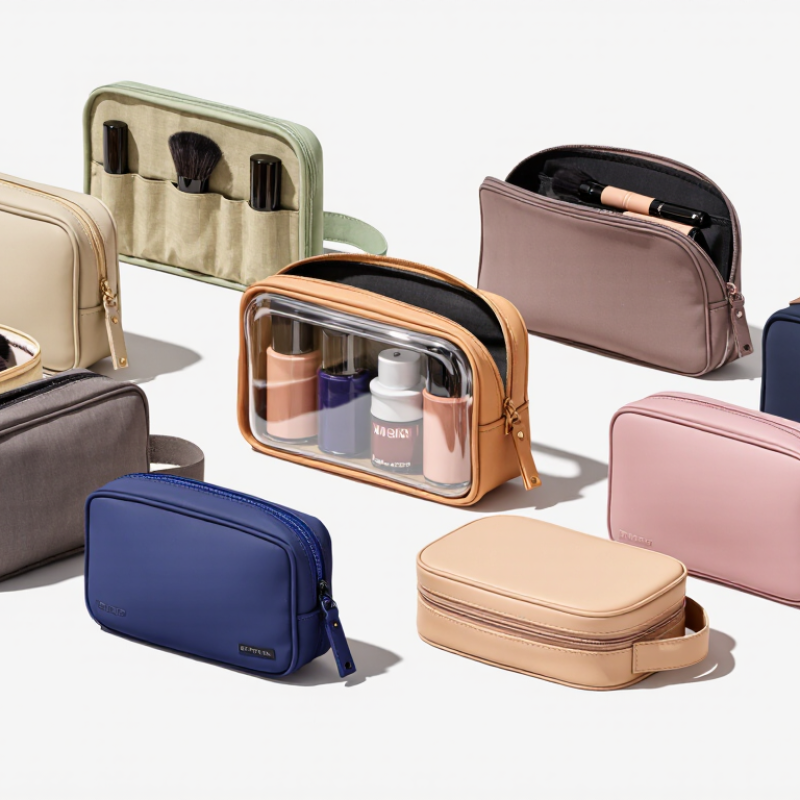
Table of Contents [Hide]
Understanding Make Up Pouch Types and Their Main Uses
How to Choose the Best Make Up Pouches for Global Buyers
Make up pouches come in several practical forms. Flat zipper pouches suit brushes, palettes, and small daily items. Their slim shape saves shelf and luggage space. Boxy pouches provide more depth for bottles, jars, and larger cosmetic tools. They often stand upright on a bathroom counter.
Clear pouches help users identify contents quickly. They work well for travel kits and product demonstrations. Hanging pouches include hooks and separate compartments. These are useful in hotels, salons, and compact bathrooms. Drawstring styles feel lighter and more casual, but they may offer less protection against spills. The right type depends on storage habits, product size, and expected handling.
Material choice requires careful testing. Coated fabric resists light moisture and feels flexible. Recycled fabric can support sustainability goals, but its surface may vary between production batches. Transparent plastic offers visibility, yet scratches can affect its appearance. A reliable sample review should check zipper strength, seam quality, odor, lining, and cleaning performance. Do not judge only by appearance.
Small details matter. A lipstick can stain pale lining quickly. A weak puller can break during airport handling. I have seen attractive samples fail after repeated opening tests. That experience changed how I assess pouch quality. Buyers should also confirm dimensions, packaging, labeling, and applicable market requirements before placing orders. Convenience, durability, and honest product information must work together.
How to Choose the Best Make Up Pouches for Global Buyers - Understanding Make Up Pouch Types and Their Main Uses
| Make Up Pouch Type | Typical Structure and Materials | Main Uses | Key Advantages | Important Limitations | Recommended Closure | Best-Suited Buyer or Channel |
|---|---|---|---|---|---|---|
| Flat Zipper Pouch | Flexible laminated film, coated fabric, or textile with a zip closure; usually compact and lightweight. | Single products, sample kits, sheet masks, makeup brushes, and small cosmetic accessories. | Low shipping volume Easy to store Cost-efficient | Limited capacity and less protection for fragile or irregularly shaped products. | Standard zipper or resealable zipper. | Online retailers, promotional campaigns, travel sets, and sample distribution. |
| Stand-Up Pouch | Flexible multilayer film with a bottom gusset that allows the pouch to stand upright when filled. | Liquid foundation, cleansing products, cosmetic refills, lotions, and larger makeup kits. | Good shelf visibility Efficient use of space Large printable area | Requires suitable filling and sealing equipment; may need extra protection for sharp or heavy contents. | Press-to-close zipper, slider zipper, or heat seal. | Supermarkets, drugstores, refill programs, and high-volume retail packaging. |
| Flat Bottom Pouch | Flexible laminated material with a reinforced flat base and multiple sealed panels. | Premium makeup collections, bundled cosmetic sets, and products requiring a stable display. | Stable presentation High capacity Premium appearance | Uses more material and may cost more to produce and transport than a basic flat pouch. | Reclosable zipper, top seal, or tear-open seal. | Department stores, premium beauty retailers, gift sets, and specialty cosmetics. |
| Drawstring Makeup Bag | Woven or knitted textile, commonly cotton, polyester, nylon, or blended fabric with a cord channel. | Brushes, compact makeup items, travel accessories, and reusable promotional kits. | Reusable Soft and lightweight Simple opening | Provides limited moisture, dust, and product-leakage protection without an inner lining. | Single or double drawstring. | Gift-with-purchase programs, beauty events, travel collections, and eco-focused campaigns. |
| Clutch-Style Cosmetic Bag | Textile, faux leather, coated canvas, or synthetic leather with a structured or semi-structured body. | Daily makeup storage, evening accessories, gift packaging, and compact personal-care collections. | Fashion-oriented Reusable Good perceived value | Heavier and less space-efficient than flexible pouches; material selection affects cost and durability. | Zipper, magnetic snap, or frame closure. | Fashion retailers, gift shops, beauty subscription boxes, and lifestyle collections. |
| Transparent PVC or TPU Pouch | Clear PVC or TPU film, sometimes combined with textile trim and a zipper closure. | Airport-friendly toiletry kits, visible product displays, wet cosmetics, and travel organization. | Contents are visible Easy to wipe clean Moisture resistant | Can become cloudy or scratched; PVC and TPU have different recycling and environmental profiles. | Coil zipper, metal zipper, or welded seal. | Travel retail, beauty kits, transparent display packaging, and personal-care organizers. |
| Foam-Padded Cosmetic Case | Textile or synthetic outer layer with foam padding, lining, and sometimes internal compartments. | Pressed powders, glass cosmetic containers, professional makeup kits, and fragile accessories. | Cushioning Organized storage Better impact protection | Higher weight, greater shipping volume, and usually a higher purchase price. | Heavy-duty zipper, double zipper, or reinforced zip closure. | Professional makeup artists, mobile beauty services, training schools, and premium kits. |
| Refill Pouch | Multilayer flexible film selected for product compatibility, barrier performance, and heat-sealing requirements. | Liquid soap, shampoo, cleansing products, lotions, and refillable cosmetic formulas. | Reduced packaging volume Efficient transport Convenient dispensing | Recycling options depend on the material structure; unsuitable films may not provide enough barrier protection. | Spout and screw cap, flip-top cap, or heat seal. | Refill stations, e-commerce, household-care retailers, and sustainability-led product lines. |
| Foil-Laminated Barrier Pouch | Plastic film laminate incorporating an aluminum foil layer for enhanced light, oxygen, and moisture barrier performance. | Light-sensitive formulas, powdered cosmetics, active ingredients, and products requiring extended protection. | Strong barrier Light protection Longer product stability | Multilayer construction can make recycling more difficult; not necessary for every cosmetic formula. | Heat seal, zipper with top seal, or fitment closure. | Specialty cosmetics, export packaging, powdered products, and sensitive formulations. |
| Paper-Based Laminated Pouch | Paper outer layer combined with polymer or barrier laminate to improve strength and protect the contents. | Dry makeup accessories, gift sets, samples, and products where a paper-like appearance is preferred. | Natural visual appeal Good printability Lightweight | Paper does not provide sufficient protection by itself against moisture, oil, or liquid leakage. | Zipper, tear notch, or heat seal depending on the inner barrier layer. | Brand-conscious retailers, promotional packaging, gift collections, and dry cosmetic products. |
Selection note: Global buyers should confirm product compatibility, required barrier performance, closure durability, packing equipment, destination regulations, recyclability claims, and transport conditions before placing a bulk order.