How to Choose Good Quality Dog Toys for Your Pet?
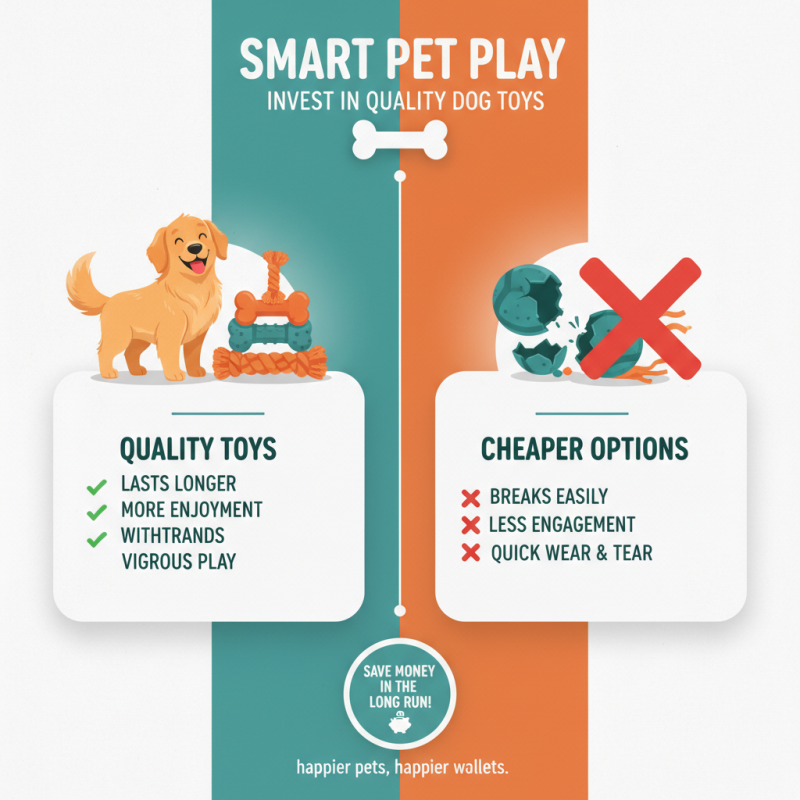
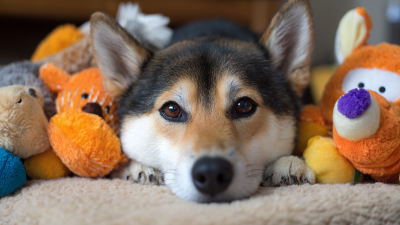
When it comes to selecting good quality dog toys, every pet owner wants the best for their furry friends. According to Dr. Emily Smith, a renowned veterinarian and pet behaviorist, “Choosing the right toys can greatly impact your dog’s happiness and health.” This highlights the importance of making informed choices.
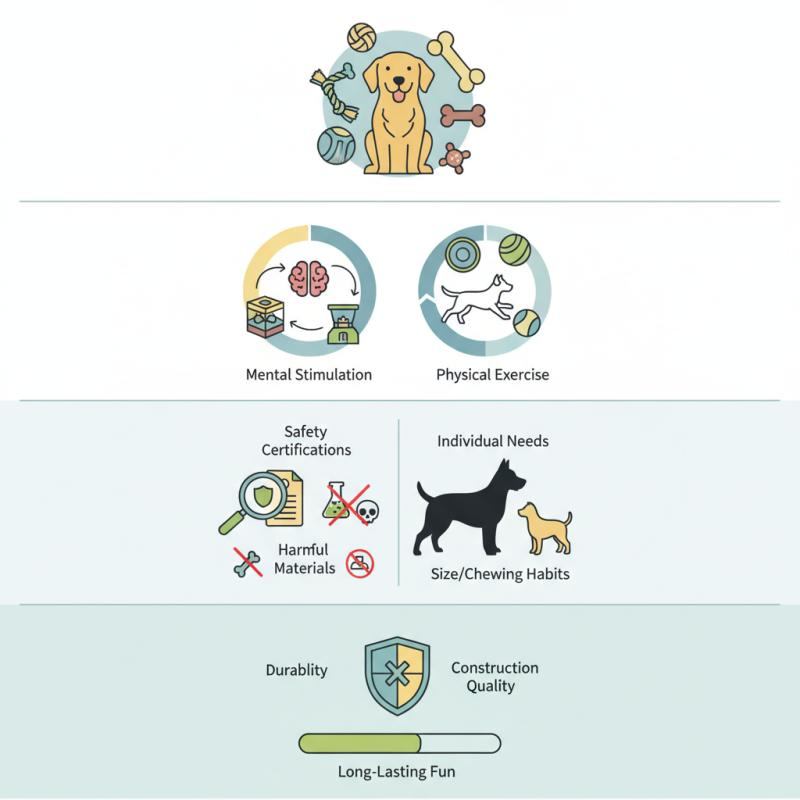
Good quality dog toys are essential for your pet’s well-being. They can provide mental stimulation and physical exercise. However, the market is flooded with options. It can be overwhelming. Many toys look appealing but may not be safe. Some may contain harmful materials. Checking labels and safety certifications is crucial.
Pet owners should also consider their dog’s individual needs. A toy suitable for a large breed might not work for a small one. Reflect on your dog’s chewing habits and play style. Some toys might wear out quickly. Look for durability and construction quality. Investing in good quality dog toys ensures longer-lasting fun and safety for your pet.
Understanding Your Dog's Play Needs and Preferences
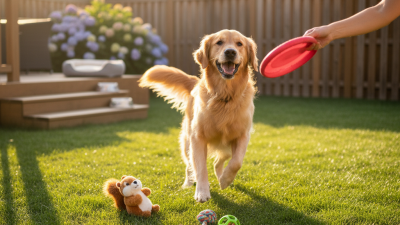
Understanding your dog's play needs and preferences is crucial for selecting the right toys. Dogs are unique in their play styles. Some dogs love to chew, while others prefer to fetch or tug. Observing how your dog interacts with their toys is a good starting point. A toy that squeaks may excite one dog but could leave another indifferent. Pay attention to what captures your dog's interest.
Consider your dog's age and energy level. Puppies often need durable toys to withstand their chewing. Older dogs might prefer softer toys that are easier on their teeth. Choosing an appropriate size is also key. Toys that are too small can be a choking hazard, while oversized toys may be cumbersome for smaller breeds. Don't forget to rotate toys occasionally; this keeps their playtime fresh and engaging.
Sometimes, it’s hard to choose the right toy. You might buy a popular item, only for your dog to ignore it. It’s a learning process, and your dog's preference may change over time. Regularly assess your dog's interest to avoid waste. Embrace the trial and error in finding the perfect match for your pet's play needs.
Materials to Consider for Dog Toys: Safety and Durability
When choosing dog toys, materials play a vital role. Your dog's safety is paramount. Some toys may contain harmful chemicals. Many toys are made of plastic. Unfortunately, not all plastics are safe. Reports indicate that approximately 60% of dog toys fail safety tests due to toxic substances. It's crucial to check the labeling for safety certifications.
Durability is equally important. Dogs are vigorous chewers. In fact, about 20% of dog owners reported their pets destroyed toys within a week. Rubber, cotton, and natural fibers are common durable materials. These options tend to withstand aggressive play. However, not every natural material is free from risks. Regular checks for wear and tear can prevent choking hazards.
Another point to consider is the toy's texture. Some dogs prefer softer toys, while others enjoy tougher ones. It's essential to observe your pet's behavior. A toy that seems durable may not be suitable for all dogs. You should remain vigilant about playtime supervision.
Quality of Dog Toys Based on Material Types
Selecting the Right Size and Shape for Your Dog's Toys
Choosing the right toys for your dog is crucial. One key aspect is selecting the appropriate size. A toy that is too small can be a choking hazard. On the other hand, a toy that's too large may not engage your dog. Measure your dog's mouth and choose toys that fit comfortably.
The shape of the toy matters as well. Dogs love to chew, tug, and fetch. Round toys are easy to roll but can slip out of reach. Flat toys might be great for tugging, yet they can get soggy quickly. Think about your dog's play style. Does your dog like to pounce or carry? Knowing this can help in choosing the best shape.
Consider your dog's breed and age when selecting toys. Puppies often need softer toys for their developing teeth. Older dogs might prefer lighter toys that are easier to handle. Sometimes, the toy you think is perfect doesn’t work out. You may find your dog only plays with it for a short time. Be open to trying different options and learn from each selection.
Identifying Interactive vs. Solo Play Toys
Choosing the right toys for your dog can enhance their playtime experience. Understanding the difference between interactive and solo play toys is essential. Interactive toys engage dogs mentally and physically. These toys often require owner participation, fostering a bond. According to a 2022 report by the American Pet Products Association, 70% of dog owners believe playtime quality is crucial for their pet's happiness.
Solo play toys empower dogs to entertain themselves. These toys can be chewable, squeaky, or puzzle-based. A survey by Pet Insight Journal found that 60% of dogs prefer solo toys when they are alone. However, this preference doesn't mean dogs don’t miss interactive play when left alone for too long. Dogs can experience boredom and anxiety without mental stimulation, leading to behavior issues.
When selecting toys, think about your dog's age and energy levels. A puppy might enjoy tug toys more than a senior dog, who might prefer gentle chew toys. Be aware that some toys are not durable. A strong chewer can destroy toys quickly, leading to potential safety hazards. It's important to regularly inspect toys for wear and tear. In the end, a balance of both interactive and solo toys can lead to a well-rounded play experience.
How to Choose Good Quality Dog Toys for Your Pet? - Identifying Interactive vs. Solo Play Toys
| Toy Type |
Material |
Durability |
Suitable For |
Play Style |
| Interactive Toy |
Rubber |
High |
Large Breeds |
Fetch and Tug |
| Solo Play Toy |
Nylon |
Medium |
Small Breeds |
Chewing |
| Interactive Puzzle Toy |
Plastic |
Medium |
All Breeds |
Mental Stimulation |
| Soft Toy |
Fabric |
Low |
Puppies |
Cuddling and Fetch |
| Rope Toy |
Cotton |
High |
Medium Breeds |
Tugging |